Web app development that fits the way you work
The short answer: in the Danish market a simple internal tool typically costs DKK 30,000–250,000, and a medium web app with roles and integrations DKK 250,000–600,000. We build web apps in fixed packages from DKK 18,000 plus DKK 600 a month, and you own the code.
- 40+
- Pre-built integrations
- 36
- Features in the Large package
- 24
- Hours to a written fixed quote
A web app is software that runs in the browser: no installation, no app store, just an address and a login. It can be an internal tool only your staff ever see, or a platform your customers pay for. What they share is that they do something – a web app is not a website with text and pictures. If you are unsure whether you need a web app or a phone app, start with web app vs native app.
What kinds of web apps can you have built?
The four kinds of web app we are asked for most often.
| Type | What it does | Example |
|---|---|---|
| Internal tool | Brings tasks, planning and data into one place instead of spreadsheets and email | Scheduling, stock, case handling |
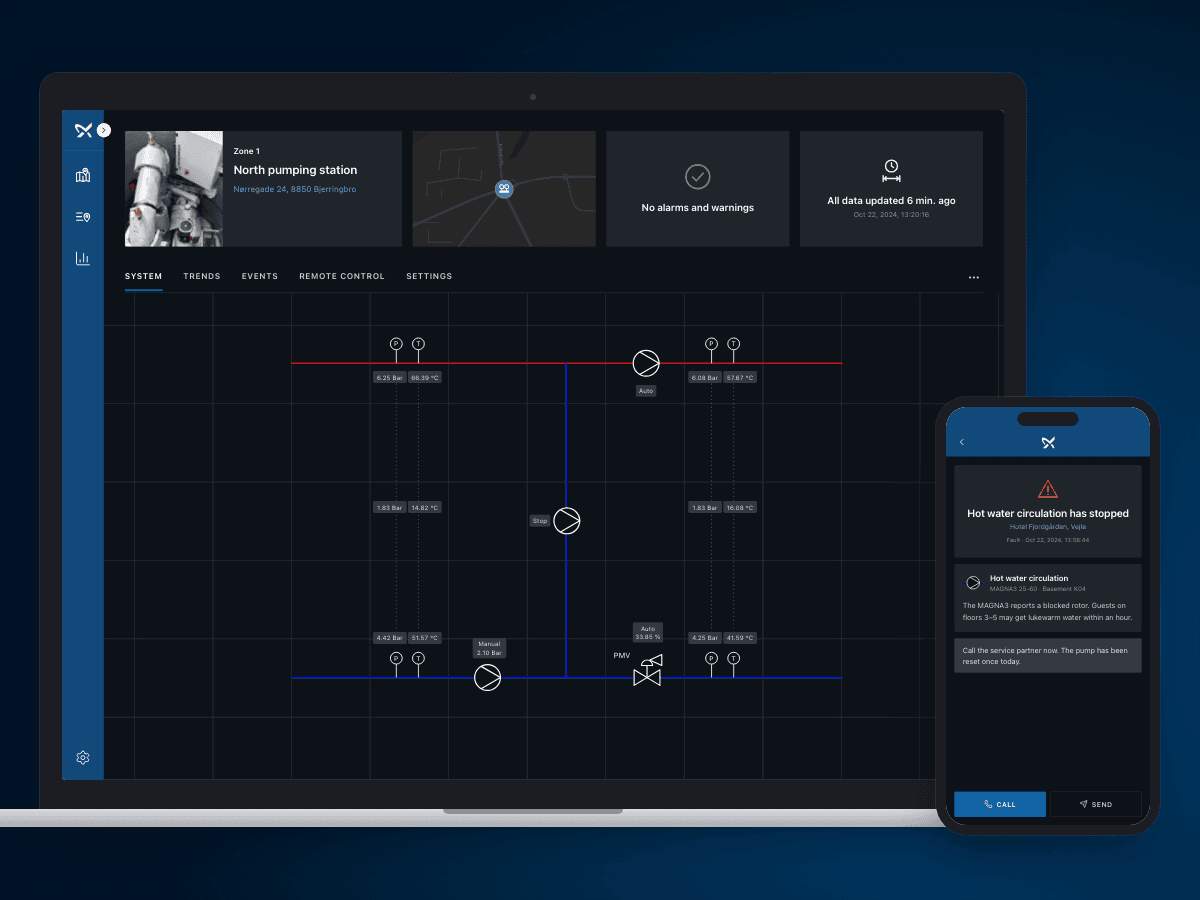
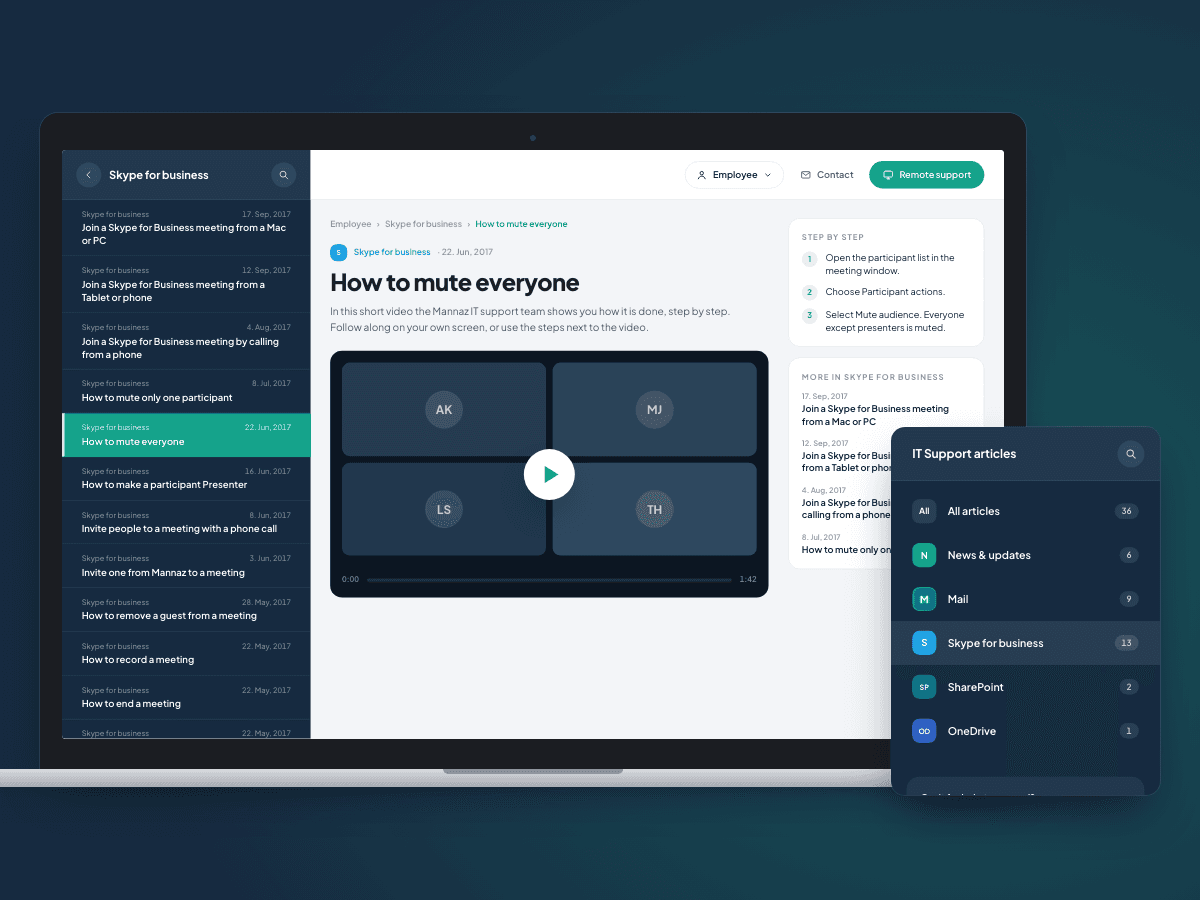
| Portal | Gives customers, partners or staff self-service behind a login | Grundfos iGRID, Mannaz IT support |
| SaaS | A product many customers subscribe to | Subscription platform on Stripe |
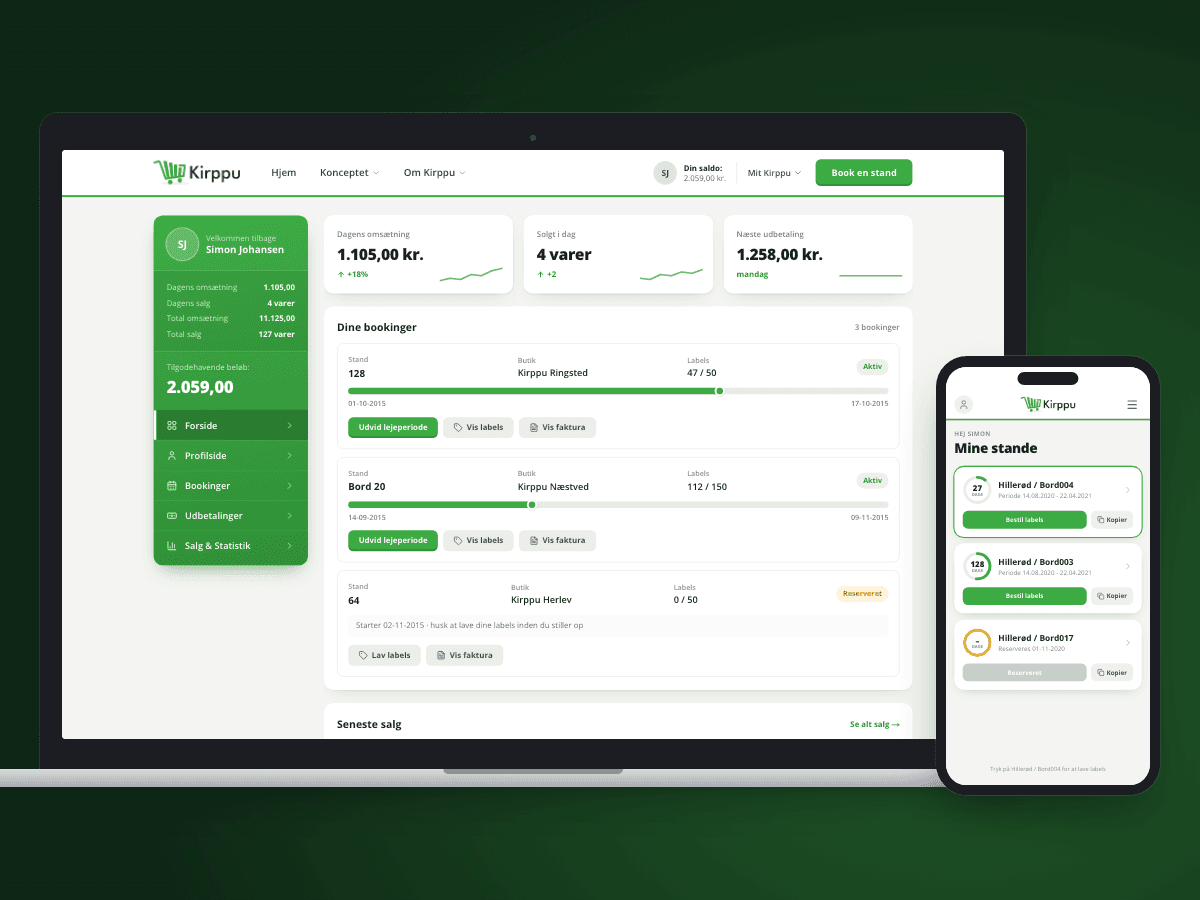
| Booking | Slots, spaces or resources that customers reserve and pay for | Kirppu stand booking |
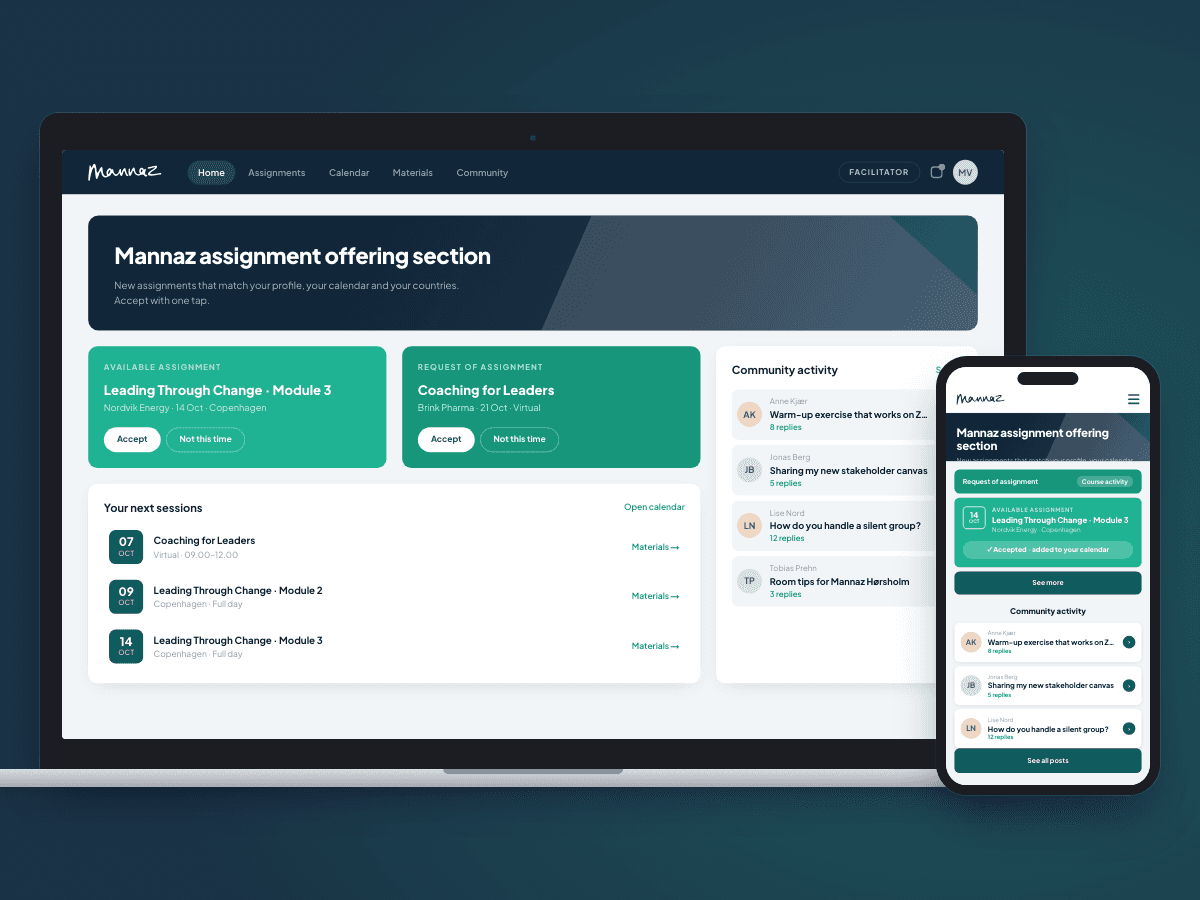
For MyMannaz we brought coordinators, facilitators and participants into one web app instead of separate solutions for each group. For Kirppu we built the booking system behind Denmark’s largest chain of flea market supermarkets, which grew from one store to more than 30 on the same platform. Both are web apps, but they solve very different problems – which is why they look nothing alike under the bonnet.
Which technology is the web app built on?
We build in React and Next.js with TypeScript. It is a widely used, modern stack that a great many developers know, so you are not locked in to us. We don’t build on WordPress or page builders. Everything is written from scratch, so the data model fits your business rather than the other way round.
- React and Next.js: fast screens and good SEO on the public parts
- TypeScript throughout, so bugs are caught before users see them
- The same logic can be reused in a React Native app if the need arises
- Hosting, SSL, backups and updates are part of the monthly plan
Which systems can the web app connect to?
A web app only becomes truly useful when it talks to the systems you already use. We have more than 40 pre-built integrations, covering Danish accounting systems, payments, shipping, payroll and digital signature among others. Each package has a fixed number of integrations: one in Small, two in Medium and three in Large. So you know up front what is included.
How does web application development work?
Brief
You tell us what needs solving. Within 24 hours you get a written fixed-price proposal.
Design
We design the screens and test the flow before building, so changes are cheap.
Build
We build in short rounds and show progress on a staging site you can click around yourself.
Integrations
Data is connected to accounting, payments or login, so nothing is typed in twice.
Launch and running
The web app goes live, and the monthly plan covers hosting, support and updates.
How much does web app development cost?
Typical market ranges in Denmark: a simple internal tool costs DKK 30,000–250,000, integrating 2–3 systems DKK 80,000–200,000, and a medium web app with roles and integrations DKK 250,000–600,000. Our packages are fixed, however many hours it takes us:
Ceptiv’s web app packages.
| Package | One-time | Per month | Features | Integrations |
|---|---|---|---|---|
| Small | DKK 18,000 (EUR 2,500) | DKK 600 (EUR 85) | 12 | 1 |
| Medium | DKK 36,000 (EUR 5,000) | DKK 900 (EUR 125) | 24 | 2 |
| Large | DKK 54,000 (EUR 7,500) | DKK 1,200 (EUR 165) | 36 | 3 |
A feature is, for example, a login, a filtered list, a form or a report. Extra features after launch come at a fixed price per extra feature. The full calculation, including what drives the price up, is in the guide web app development cost, and the packages are on pricing.
What drives the price of a web app up?
Two web apps with the same number of screens can have very different prices. It is rarely the screens themselves that cost – it is what happens behind them. When we write your proposal, we look at five things in particular:
- Number of features: every list, form, report or automation counts
- Roles: the more user types with their own permissions, the more logic
- Integrations: every system it has to talk to is a small project of its own
- Data and rules: calculations, approval flows and history
- Design level: a simple internal tool needs less than a product customers pay for
That is why we price in features and integrations rather than hours. It forces both of us to be specific about what is being built, and it makes the price predictable for you.
If it is mainly your customers who will log in, read about customer portal development. Already know what you need? Send us your brief.
Selected work
Built by us, in production today
What our clients say
We have worked with Ceptiv on several of our digital offerings, and they have become a natural part of the team. They move fast, turning ideas into new designs and clickable prototypes quickly, so we can test with customers early instead of debating on paper.
FAQ
Questions about web app development
What is the difference between a website and a web app?
How much does a web app cost?
How long does it take to build a web app?
Does the web app work on mobile too?
What does the monthly fee cover?
Can we take the web app to another supplier?
Tell us what you need built
You get a written fixed-price proposal within 24 hours. No sales calls required.